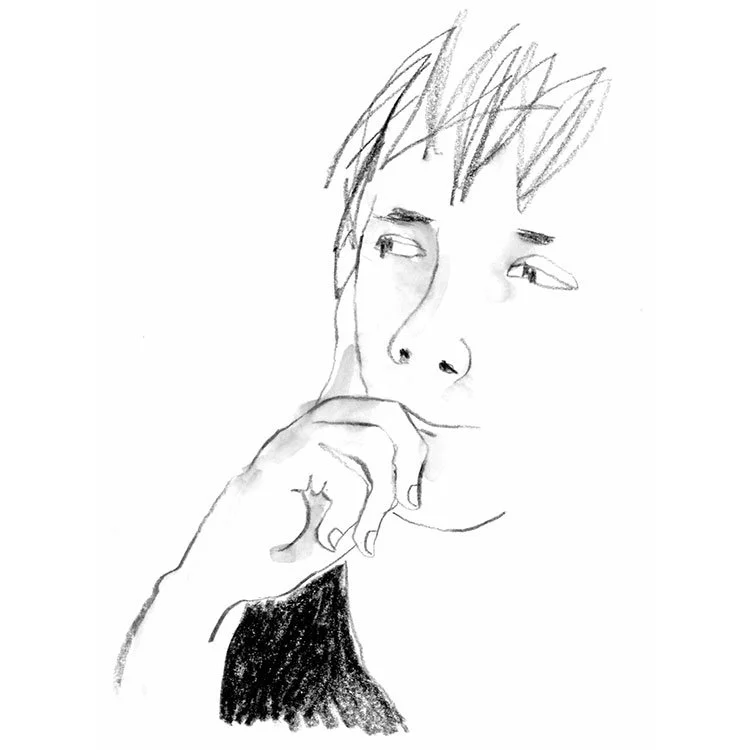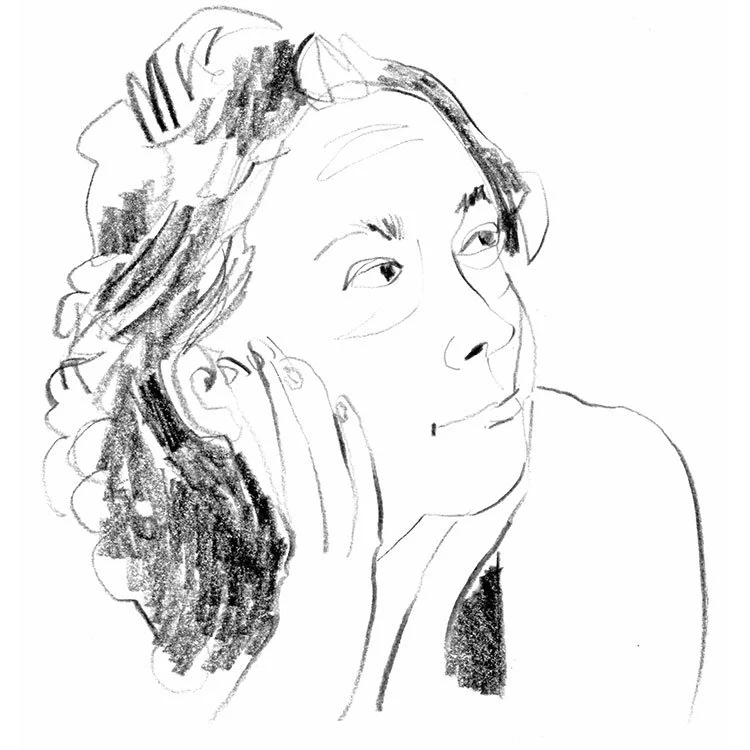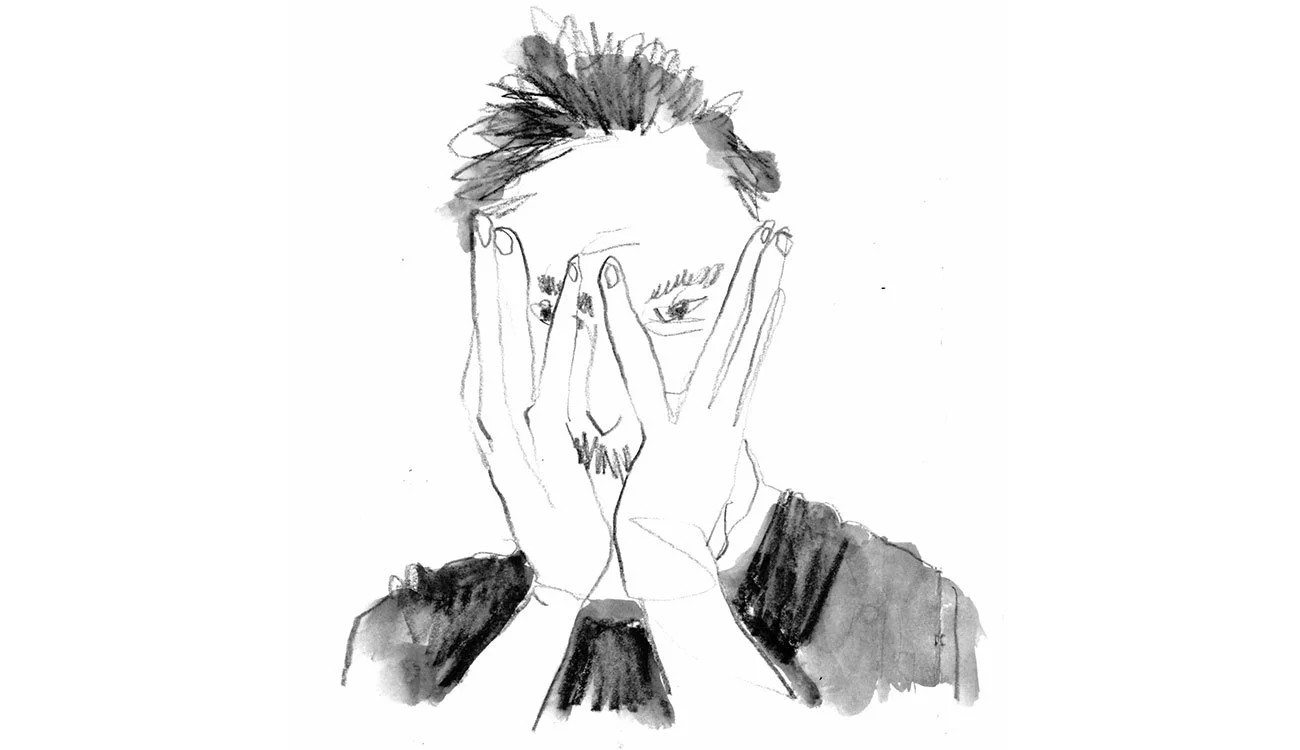
July 1 2026 is exactly 42 years since someone else paid me a wage. Anniversaries are time for reflection, and this one has me thinking about something I’ve never written about before.
Not the technology changes.
Not the economic upheaval.
Not the business model pivots.
Something quieter.
Something that crept up without warning.
Isolation.
The small army
Early in my career, getting a job out the door required a small army. Typesetters. Film houses. Printers. Photographers. You couldn’t do anything without picking up the phone and talking to someone.
Those working relationships morphed into some of my best friendships. Deadlines negotiated. Mistakes argued over. Favours traded. It was messy and human and occasionally maddening, but it was human.
The constant contact kept us embedded in a professional community. It sharpened our thinking and sustained our energy. We didn’t call it networking. We called it Tuesday.
The quiet change
Now it is possible to go entire days without speaking to another person and still deliver complex projects. That’s simultaneously the greatest professional freedom ever experienced but also occasionally concerning because that increasing capability can come at a cost.
Every tool that made me more independent made me slightly more isolated. Every software upgrade that eliminated a supplier also eliminated a relationship.
Every designer gained agency but unintentionally lost community.
And unlike the technology changes, which arrived loudly and always demanded a response, this one arrived quietly. Most of us didn’t notice until we looked up one day and realised our ‘design team’ had shrunk.
Community comes in many forms
I’m not for a moment suggesting we go back. The freedom to work from anywhere, deliver complex projects independently and structure work days around life rather than suppliers is gold.
And let’s be clear, professional community isn’t the only community that matters.
In our DBC breakfast group we have designers who find genuine connection through dawn swimming squads, life drawing, community gardens and fitness. That kind of community feeds something important too. It sustains energy, builds friendships and reminds us there’s a life beyond work.
But it does something different to professional community.
General community feeds your soul.
Professional community feeds your thinking.
Only other business owners truly understand the particular challenges of running a studio — the cash flow anxiety, the difficult client, the team member who’s struggling, the pitch you lost and can’t quite work out why. That specific, honest conversation about what’s working and what’s not, the kind where you don’t have to explain the context, is something you can only have with peers who’ve lived it.
Both matter. But they’re not interchangeable.
My response
Ten years ago I started organising my monthly breakfasts. Not as a networking event but as a deliberate attempt to counteract the loneliness of solo entrepreneurship.
It’s a fluid group of design and agency business owners sharing knowledge and talking businesses. The kind of honest, energising exchange that used to happen naturally.
Additionally, this year Greg and I have introduced dinners. We’re gathering creatives around Australia to share what they’re seeing, what they’re thinking and most importantly, what they’re feeling. Same intention: create the conditions for genuine professional connection in an industry that’s become increasingly capable and increasingly isolated at the same time. The response has been overwhelmingly positive.
For the same reasons Greg and I will always support professional communities like AGDA, DIA and Never Not Creative.
So what?
The moral of the story is awareness.
Be aware of our changed environment.
Be mindful of the importance of social interaction.
Be intentional of expanding your work network.
We all have agency over how we work. The technology will keep changing. The business models will keep evolving. But how connected you are to a community that energises and challenges you – that’s a choice. And it’s one worth making deliberately.
Progress gave us extraordinary capability but it’s up to us to rebuild the community it took away.
If you’d like to join us at a DBC breakfast or dinner, or ask more about how to start your own, do email me.
Carol Mackay
Want more insights like this? Subscribe below. (And tell your friends )
The Design Business Review is Australia’s only online design management magazine. It’s professional development information written specifically for Australian designers by Australian designers. Best of all, it’s free.